

How Trauma Shows Up in Children: What San Diego Parents Need to Know
As a parent, it can be heartbreaking to watch your child struggle and not know why. Maybe they're having frequent meltdowns, becoming withdrawn, acting aggressively, struggling at school, or experiencing anxiety that seems to come out of nowhere. What many parents don't realize is that trauma in children doesn't always look like trauma. In fact, children often communicate distress through behavior rather than words.
At Milk & Honey Therapy, we provide trauma-informed therapy for children in San Diego and understand that what appears to be "bad behavior" is often a child's nervous system signaling that they don't feel safe.
What Is Childhood Trauma?
Trauma occurs when a child experiences an event or series of events that overwhelm their ability to cope. Trauma isn't defined solely by what happened; it's also about how the child's nervous system experiences and processes the event.
Childhood trauma can include:
Physical, emotional, or sexual abuse
Neglect
Bullying
Medical procedures or hospitalizations
Accidents or injuries
Loss of a loved one
Divorce or family conflict
Exposure to domestic violence
Living with a parent struggling with mental health or substance use

The Centers for Disease Control and Prevention (CDC) refers to many of these experiences as Adverse Childhood Experiences (ACEs), which can impact a child's emotional, physical, and social development.
Signs of Trauma in Children
Trauma often shows up differently depending on a child's age and developmental stage. Children can have emotional, behavioral, and physical signs that show that they are struggling. Research shows that chronic stress and trauma can affect brain development, attention, learning, emotional regulation, and decision-making.
Emotional Signs
Become easily overwhelmed by emotions
Have intense fears or worries
Experience separation anxiety
Feel emotionally numb or disconnected
Have difficulty identifying or expressing feelings
Behavioral Signs
Increased tantrums or meltdowns
Aggression or defiance
Difficulty following directions
Regressive behaviors such as bedwetting or baby talk
Withdrawal from family and friends
Perfectionism or excessive people-pleasing
Physical Signs
Frequent stomachaches or headaches
Sleep difficulties
Nightmares
Fatigue
Increased sensitivity to noise, touch, or sensory input
Academic and Social Challenges
Struggle to focus in school
Appear inattentive or distracted
Have difficulty making friends
Experience sudden changes in grades
Become overly reactive to criticism
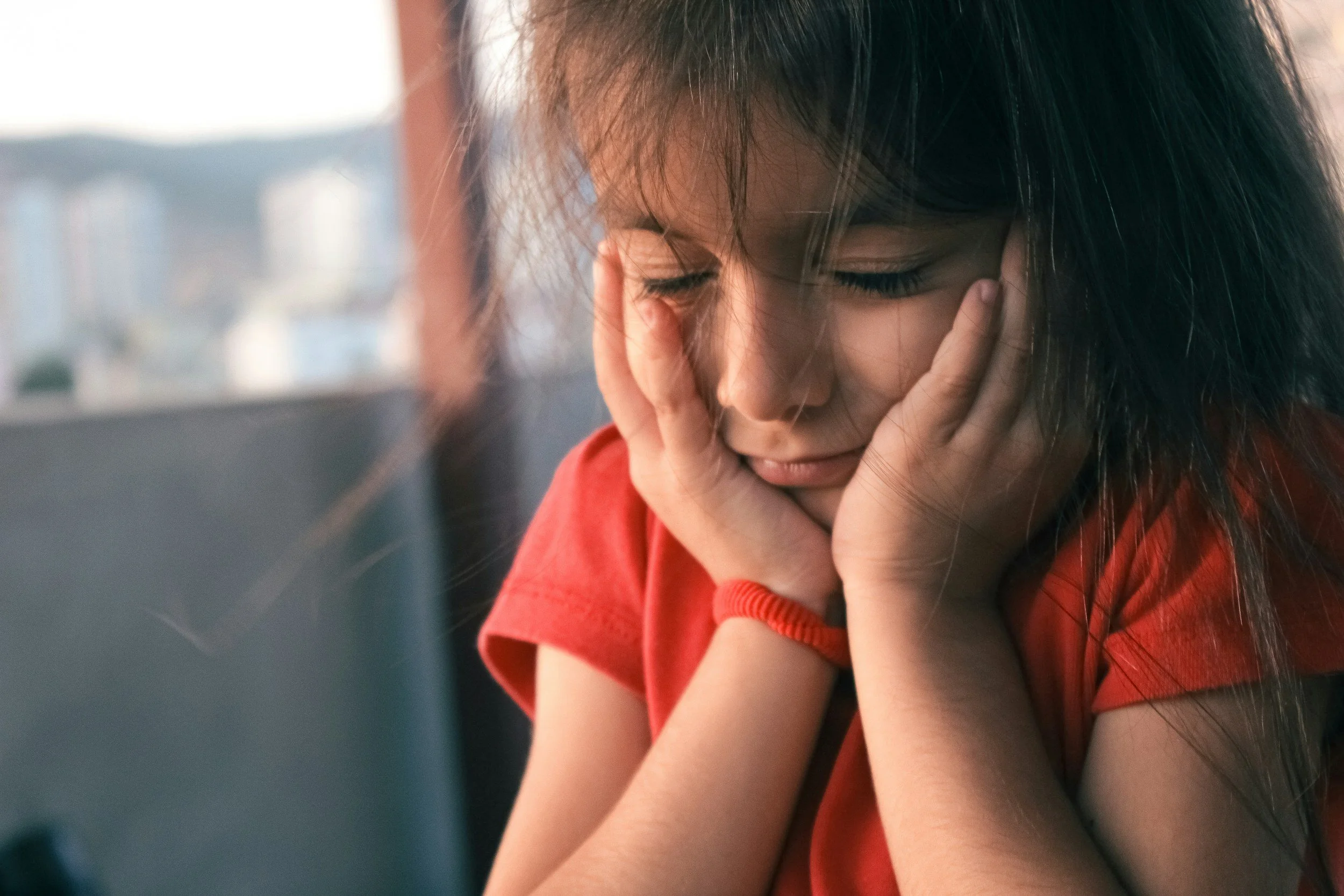
Why Trauma Therapy In San Diego Is Often Misunderstood
Many children who have experienced trauma are labeled as:
"Attention-seeking"
"Defiant"
"Lazy"
"Too sensitive"
"Difficult"
But trauma-informed therapists understand that behavior is communication. When a child's nervous system is stuck in survival mode, they may struggle with skills that other children seem to develop naturally, including emotional regulation, focus, impulse control, and healthy relationships. Instead of asking, "What's wrong with my child?" it can be helpful to ask: "What happened to my child?" This shift in perspective can be incredibly healing for both children and parents.
How Trauma Affects the Nervous System
When children experience overwhelming stress, their nervous systems can become stuck in protective states. Some children become hypervigilant and anxious. Others become shut down, withdrawn, or disconnected. This is not a conscious choice. Their brains and bodies are trying to keep them safe.

Over time, unresolved trauma can affect a child's ability to regulate emotions, trust others, and feel secure in everyday situations. The CDC notes that prolonged toxic stress can impact brain development and stress-response systems in children.
Can Children Heal From Trauma?
Yes, children are incredibly resilient, especially when they receive support from safe and attuned adults.
Trauma therapy can help children:
Feel safer in their bodies
Develop emotional regulation skills
Process difficult experiences
Improve self-esteem
Build healthy coping strategies
Strengthen relationships with caregivers
At Milk & Honey Therapy, we use trauma-informed approaches, like play therapy that help children process experiences while supporting nervous system regulation and emotional resilience.
Child Trauma Therapy In San Diego
If your child seems anxious, emotionally reactive, withdrawn, or overwhelmed, you don't have to navigate it alone. Early intervention can help prevent trauma symptoms from becoming more deeply rooted and can support healthy emotional development.
Milk & Honey Therapy provides therapy for children in San Diego using evidence-based, trauma-informed approaches designed to help children feel safe, connected, and empowered. If you're wondering whether therapy could help your child, we invite you to reach out for a consultation.